Transition Guide
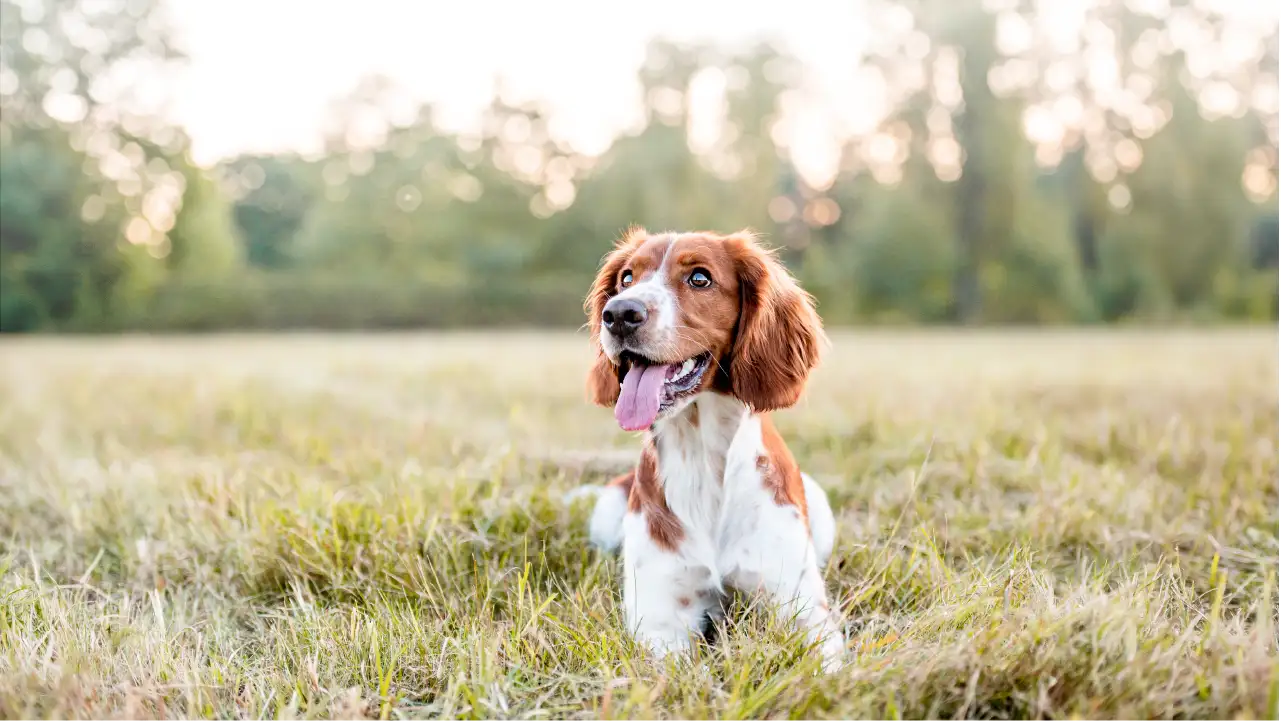
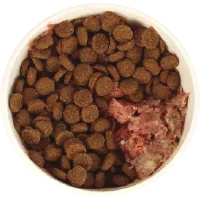
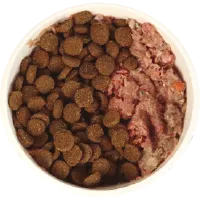
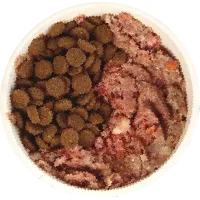
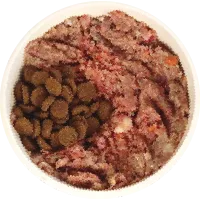
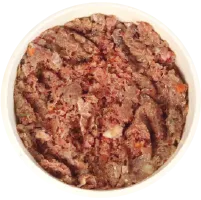
We recommend introducing your dog to raw food gradually over approximately two weeks to avoid any digestive upset and to help your dog adjust to their new diet.
When transitioning to raw food, keep an eye on your dog’s stools, weight and overall wellbeing during this time. If your dog's stools are loose, we recommend slowing down the transition while their digestive system adjusts.
Day
1-3
Day
4-6
Day
7-9
Day
10-12
Day
12+
Following the guide
Our transition guide is just a guide, so don't worry about getting the percentages and timing exactly right, just slowly work towards switching their food over to 100% raw over approximately two weeks. Senior dogs may need to go even slower, particularly if they've eaten a processed diet most of their life - go very slowly over the first few days to see how they respond.
We recommend a similar approach for dogs that are nervous or fussy, and also dogs that have sensitive tummies. A change from a highly processed diet to raw, minimally processed food can take time to adjust but the positive effects will pay off in the long run.
Each dog is different, but the advice is the same - monitor their stools, weight and general well-being to ensure the transition to a raw diet is as gentle and safe as possible.
Remember: Leading Raw diets do not contain any preservatives. Once our food is defrosted, it can be kept in the refrigerator for about 2-3 days. Just like raw meat from your butcher or supermarket, be sure to store and handle our raw foods appropriately. We recommend defrosting your portions of Leading Raw in a container in your fridge.