Is raw food safe for my dog?
Pet parents are often faced with overwhelming and conflicting advice about the best diet to feed. The most common question is whether raw diets are safe for dogs. Understanding the potential risks and how to avoid them will help alleviate some uncertainty.
Bacterial contamination
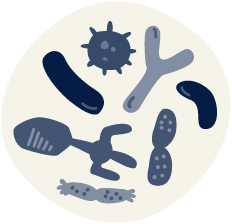
A key concern with raw feeding is bacteria such as Salmonella, E. coli, and Listeria. These can affect both pets and the people handling the food. However, bacteria are not unique to raw diets as many foods, including ready-to-eat salads, can also carry them.
Yes, there is bacteria in raw food, but that's part of what makes it great. Dogs are naturally equipped to handle raw food. They have shorter digestive tracts and higher stomach acidity, which helps them process and manage bacteria more effectively than humans. While harmful bacteria should always be minimised, not all bacteria are bad, and a healthy gut plays an important role in defence.
Supporting gut health is essential. A balanced, minimally processed diet can help maintain a strong digestive system and immune response, which in turn helps pets handle everyday exposure to bacteria.

Recalls and safety
Recalls are often raised as a concern with raw feeding, but they occur across all types of pet food, including kibble and canned diets — contamination-related recalls are not limited to raw products.
Reputable raw food manufacturers follow strict quality control processes, including pathogen testing and HACCP (hazard analysis critical control point) protocols. Choosing products made from ingredients sourced through the human supply chain and produced under high safety standards can further reduce risk.
Proper handling at home is just as important when it comes to the safety of your pet's raw food. Good hygiene practices help minimise the chance of contamination. Always ensure that raw food is frozen and defrosted in the fridge – follow the manufacturer's instructions.

Feeding raw safely
A fresh, raw diet can support overall health when done correctly. To keep it safe:
- Choose reputable brands that use fresh, high-quality ingredients and strict safety testing
- Handle raw food carefully and maintain good kitchen hygiene
- Monitor your pet during any diet change and support gut health where needed
Introducing your dog to a raw diet
If your dog is new to raw food, we recommend a slow transition over about 10 days. Slowly swap out your pet's current food for raw food to minimise digestive upsets that may come with a change in diet. Read our guide on introducing your dog to Leading Raw.
With the right approach, raw feeding can be a safe and extremely beneficial option for many pets.