Healthy Weight Guide
Your pet's weight can and most likely will fluctuate, this can mean gaining or losing weight, either way it's important to be monitoring and get on top of.
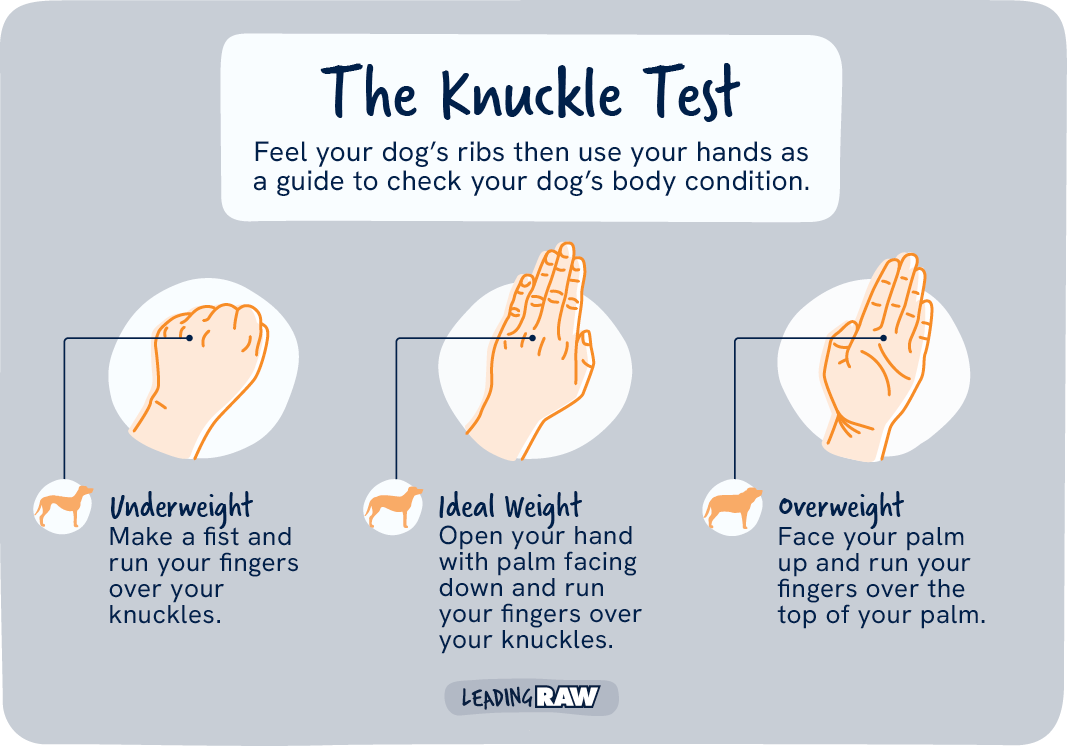
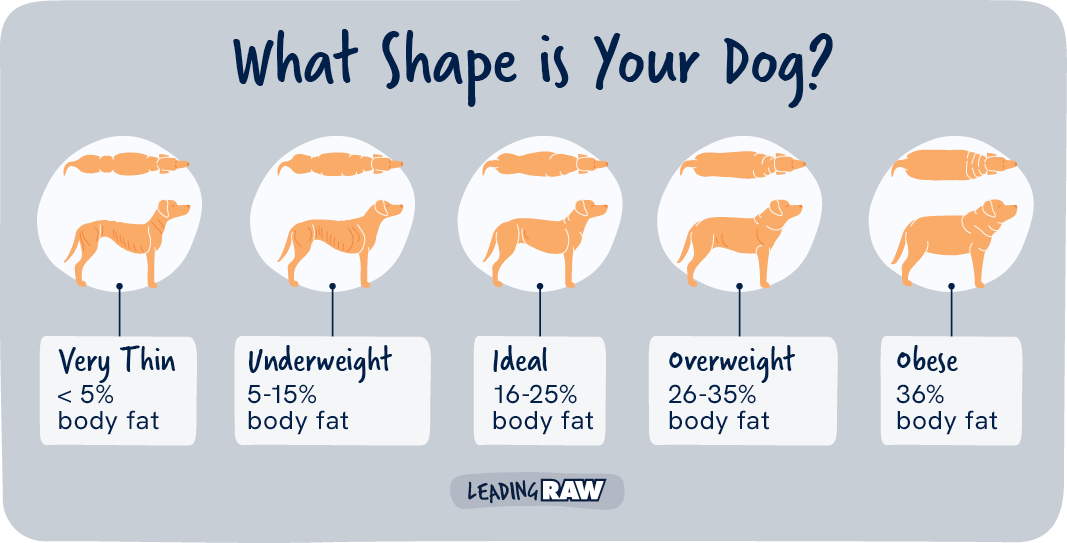
'Body condition scoring' is a great trick to learn to monitor your dog's weight. Simply running your hand along your pet's chest or rib cage and comparing it to your hand (as shown below) will allow you to see what weight range they're in. Ideally you should be able to feel their ribs (it should look like your hand while relaxed) without having to apply pressure. If you can't feel their ribs (like the backside or palm of your hand) they need a diet. If their ribs are protruding (like your hand when you make a fist, knuckles sticking out) they may be underweight - this does not apply to working dogs as their ribs are more likely to stand out(1).
Tips and tricks for weight loss (4)
- Slow feeding - look at lick mats or bowls that encourage your pup to slow down their eating. Extending meal times will make them feel fuller for longer and from smaller portions.
- Divide food across the day - feeding your pup half their meal in the morning and half at night.
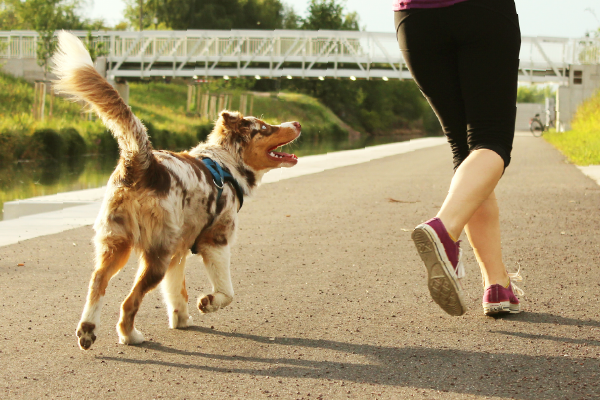
- Gently build up their exercise level, starting with short and slow walks and increasing the distance and speed as their weight drops.
Tips and tricks for weight gain (4)
- Add toppers to meals: meaty bones, extra fruits and vegetables or meat may encourage your pet to eat more.
- Look at a higher fat content food.
- Feed more.
Transitioning to a raw diet for weight
If you're deciding to move to a raw diet to support a healthy weight, check out our transition guide and our tips and tricks for this transition.
"Feed the dog in front of you." While our boxes have recommended serving sizes they are just a recommendation. We can't see your pup (we would love to — send us photos!) so we can't give a 100% accurate serving size to you. Refer to our feeding guides as a guide only, taking into account the overall calories in your dog's diet including bones and treats. Feeding guides can differ by up to 50% from dog to dog depending on age, breed and activity level. Adjust serving sizes accordingly to keep your dog within a healthy weight range.
If you're feeding Leading Raw it's important to consider which recipe you're using. The Leading Raw Energy recipe has a 17% fat content, compared to our Adult patties with a 13% fat content. If you notice weight loss in your dog on the Adult range, try swapping to Energy, and vice versa.
Puppy weight management
It is better to slightly overfeed than underfeed a puppy to ensure they're getting what they need to grow. Once they've transitioned to the adult range you will be able to monitor their weight and growth more closely and maintain this.
Leading Raw recommended serving sizes
Check our Leading Raw product pages for the serving sizes for each recipe.
Sources:
1. Rous, N. (2022). Weight Management for Pets. Retrieved 22 January 2024.
2. Bassingthwaighte, E. (2023). Diet is everything. Retrieved 22 January 2024.
3. Keenan, J. (2023). Help Your Overweight Dog. Retrieved 22 January 2024.
4. Scott, D. (2023). Raw Diet For Dogs: 6 Steps To Get Started. Retrieved 22 January 2024.