Raw feeding for weight management
Research suggests over 40% of Australian dogs and 30% of cats are overweight(1), which is alarming because the health implications of obesity can be just as serious for our pets as they are for us. When our pets are overweight our main health concerns can be broken down into a few key areas that all have a direct impact on quality of life: mobility, heart and respiratory function, and organ function.
How pet parents can manage their dog’s weight
Raw dog food diets for weight loss
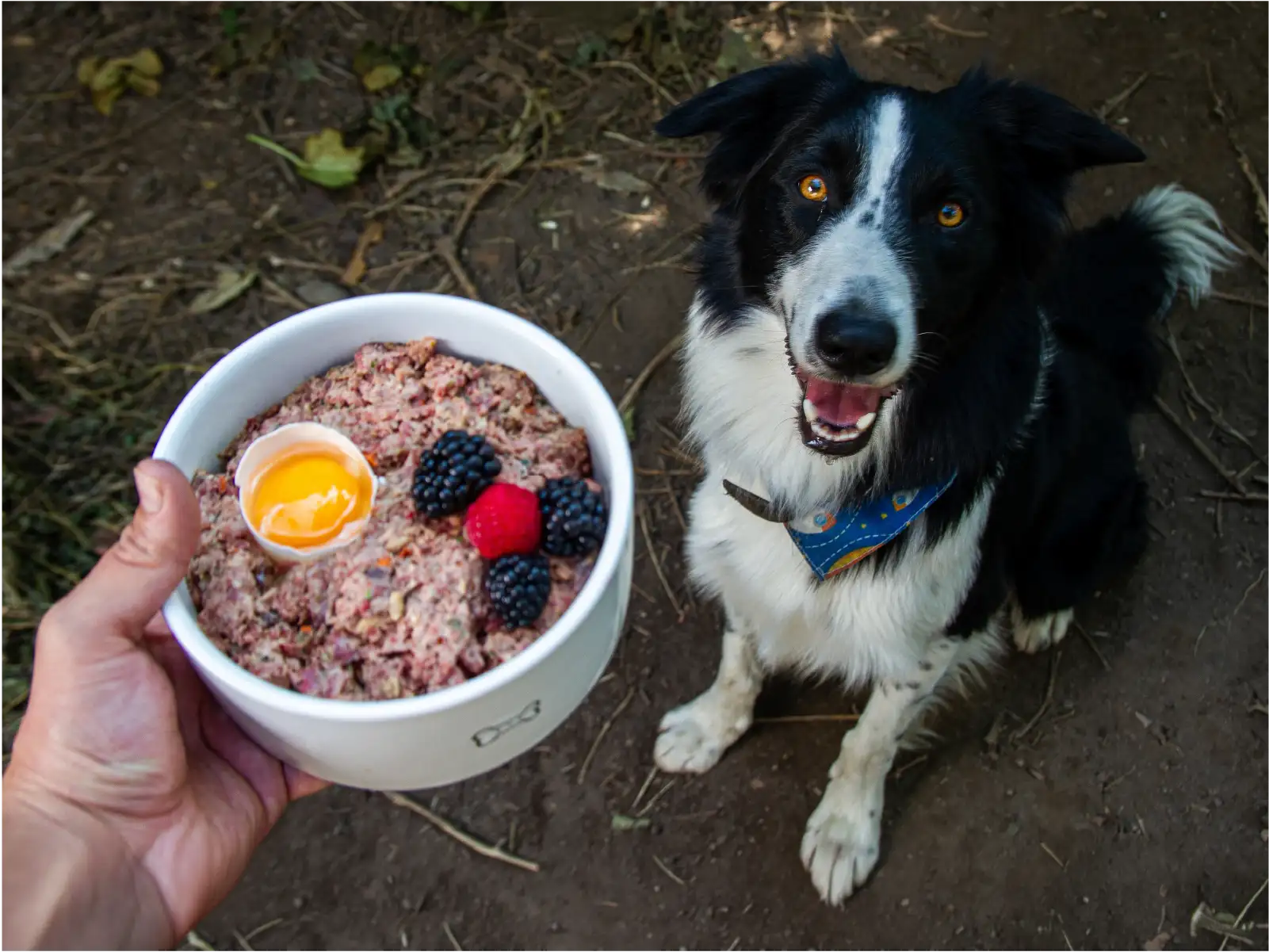
Raw food is a great option for managing your dog’s weight. More and more Aussie pet parents are turning to raw feeding as a natural and nutritious alternative to processed pet foods, for safe weight loss and maintenance. Many processed pet foods are high in carbohydrates, which can contribute to many weight and health issues in pets. By feeding a diet closest to their natural, wild diet, that’s low in carbohydrates and high in protein, you’re satisfying their biological needs so they can reach and maintain a healthy weight.
Feed your dog the right amount
Firstly, you need to monitor your pet’s weight accurately, as pet parents ourselves, we know that sometimes you can’t always see the extra weight on dogs.
Calculate their target ideal weight, compare the feeding amount for their ideal weight to what you are currently feeding now. Remember, feeding guides are just guides to be adjusted by the pet parent to suit their dog’s metabolism, activity level etc.
A good level of weight loss per week is 1-2% or 4-5%/month. For a 10kg dog this equates to 100g-200g per week. It’s important to set realistic goals so you’re not causing problems from rapid weight loss or disappointment and frustration if you’re not achieving what you thought was appropriate.
Keep an eye on their daily food intake – including treats. Try exchanging your dog’s biscuit treat for a carrot for a lighter, healthier option.
Exercise your dog regularly
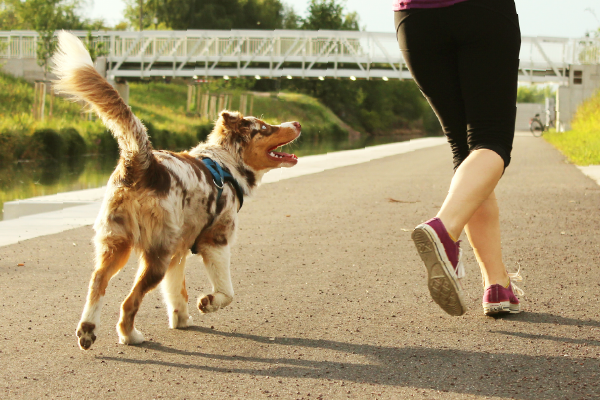
Generally, adult dogs require around 30-60 minutes of exercise each day. For some active breeds, they will need aerobic exercise daily, which may be for 30 minutes or more. If your dog is overweight, you’ll need to start slow and try to build up to this goal. Regular consistent exercise is best, rather than a big session followed by a rest day. This can be especially helpful for dogs with mobility issues, where small, consistent efforts can support both weight loss and mobility.
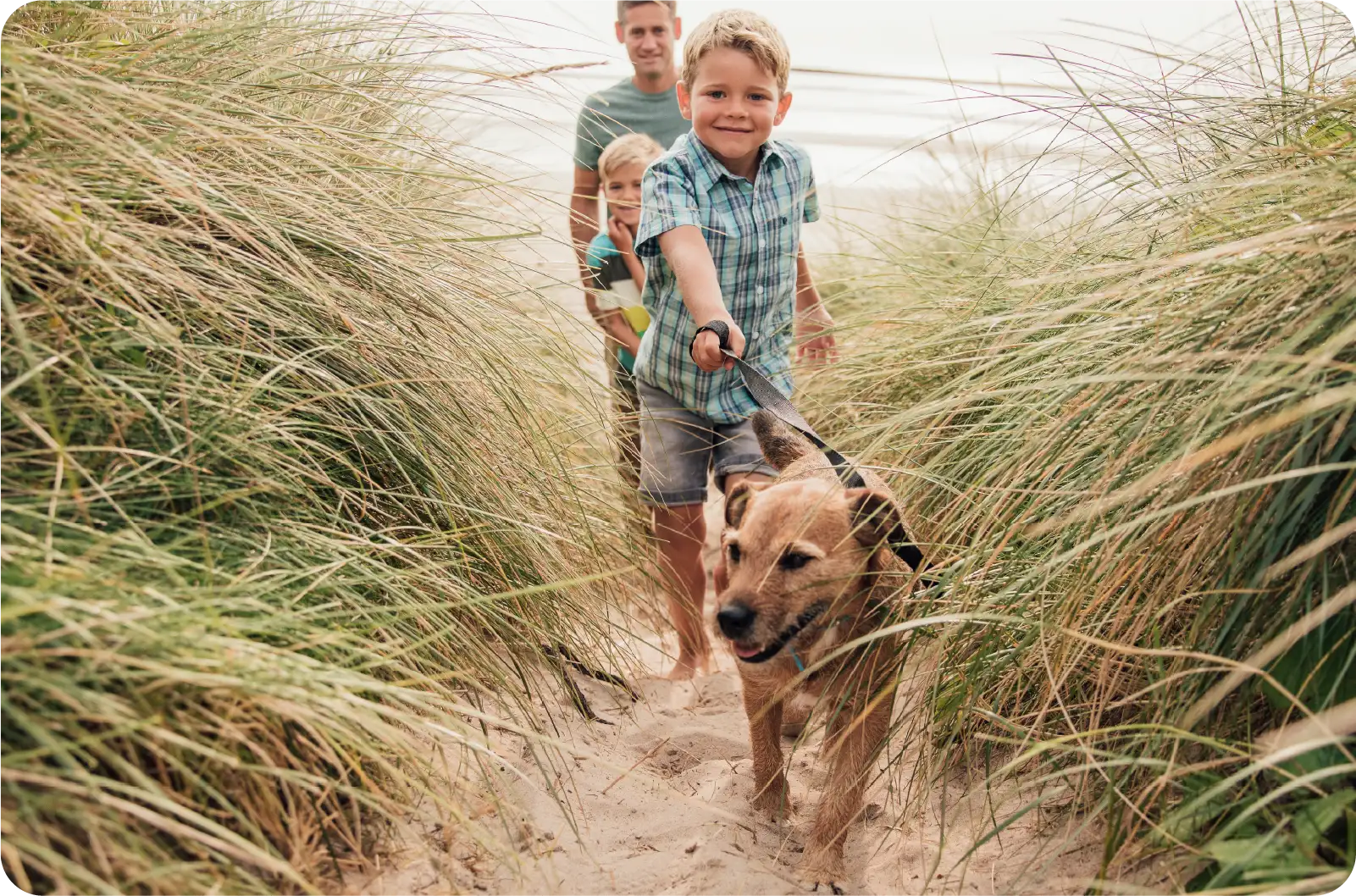
When it comes to physical exercise, always check the conditions outside, and consider bringing water and a collapsible bowl on hot days for water intervals. Avoid walking on the road or footpath when it’s hot as your dog’s paws are sensitive and can easily burn on a hot road. A good rule of thumb is that if it’s too hot for you to comfortably place the back of your hand on the pavement for a long period, then it’s too hot for your dog’s feet.
Get some support
You don’t have to do it alone - be sure to chat to your vet for support and healthy weight management advice.
Sources
- McGreevy, P.D., Thomson, P.C., Pride, C., Fawcett, A., Grassi T. and Jones, B. (2005). Prevalence of obesity in dogs examined by Australian veterinary practices and the risk factors involved. Vet. Rec. 156 (22). 695-702.